Booking Holiday Lighting in September: Why the Calendar Fills Early
New Age Lights • September 2026 • TN • AL • OH • 7 min read
Short Answer: Holiday lighting is one of the most compressed service seasons there is. Every customer wants their lights on within the same three or four week window, and an installer can only complete a limited number of homes per day. That means the calendar is largely allocated by early autumn, and the best install dates go first. Booking in September gets you a real design conversation, a choice of installation date, and time to order materials. Booking in mid November means taking whatever slot remains, if any remains, and rushing decisions that deserve thought.
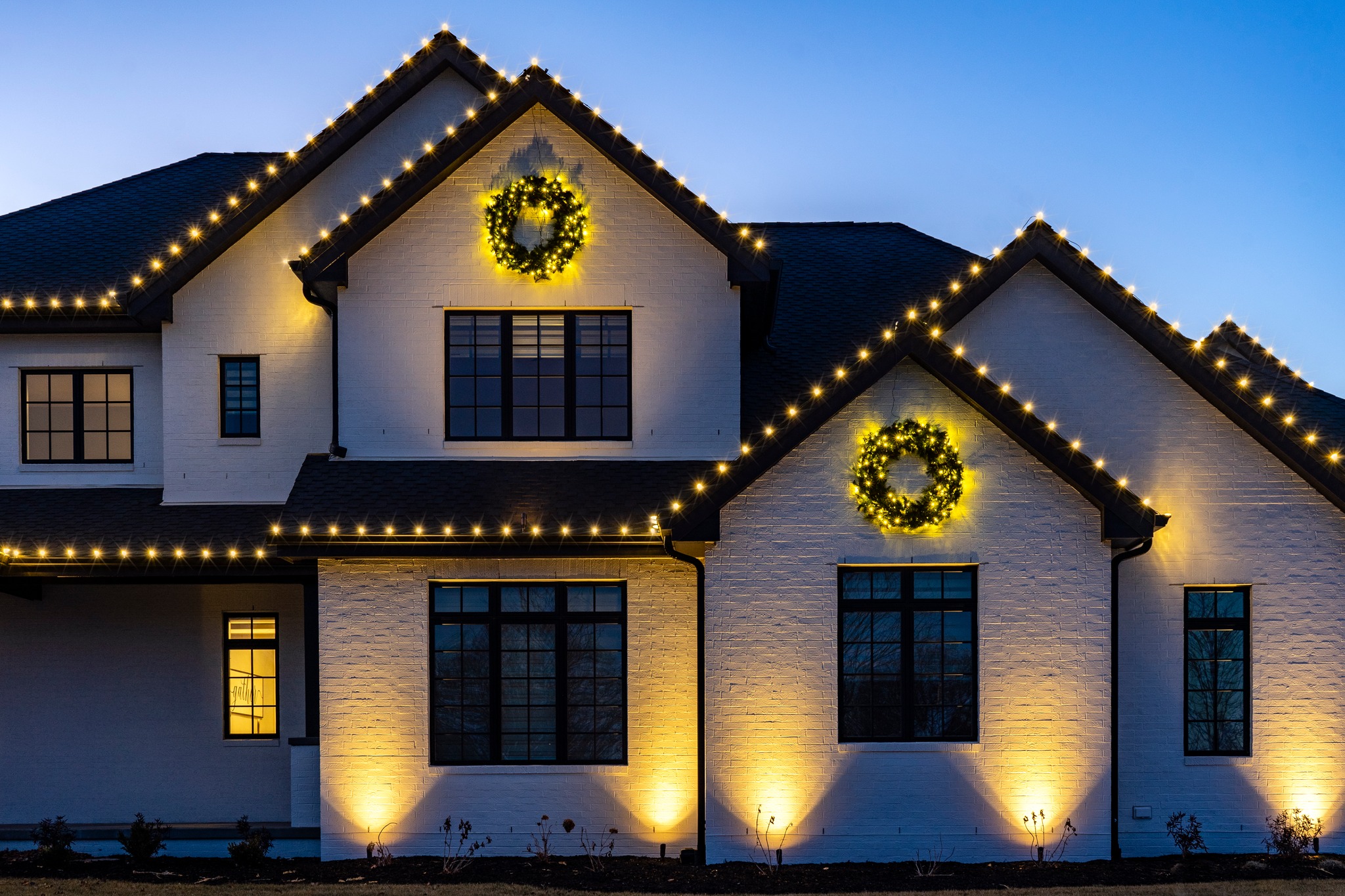
It feels early to think about holiday lighting while it is still warm out. We understand that completely, and it is exactly why September is the month worth writing about.
Across the markets we serve, from Knoxville and Chattanooga down through Huntsville and Birmingham and up to Cincinnati, the pattern repeats every year without fail. Quiet inquiries in September, steady in October, and then a wave of calls in the week after Thanksgiving from people who assumed there would be time.
The Season Is Genuinely Short
Consider the arithmetic from the installer's side, because it explains everything else.
Most households want their lights on somewhere between mid November and the first week of December. That is a window of roughly three weeks. A crew can complete a certain number of installations per day, weather permitting, and a well designed roofline install is not a fifteen minute job.
Multiply the number of working days in that window by daily capacity and you arrive at a fixed number of homes. It is not a number that flexes much, because you cannot manufacture more November.
Weather removes days from it as well. Rain and ice mean crews come off roofs, for entirely sensible safety reasons, and every lost day compresses what remains.
So the calendar fills in the order people commit, and by the time the season feels urgent to a homeowner, much of it is already spoken for.
What September Buys You That November Cannot
The obvious benefit is availability. The more valuable one is time to think.
A design conversation in September can happen without pressure. We can walk the property, look at the architecture, discuss which lines to emphasize, consider how the house is viewed from the street, and talk about what you want it to feel like. That is a different conversation from one held over the phone in late November while a crew waits.
Materials matter too. Permanent lighting systems, specialty track, and particular color temperatures are ordered rather than pulled off a shelf, and lead times are real. September ordering is comfortable. Late November ordering frequently is not possible at all.
And if your project involves any electrical work, an outlet added at the roofline or a circuit assessed, that coordination takes time no one has in the last week of the month.
Permanent Systems Especially
If you are considering permanent architectural lighting rather than a seasonal install, the timing argument is stronger still.
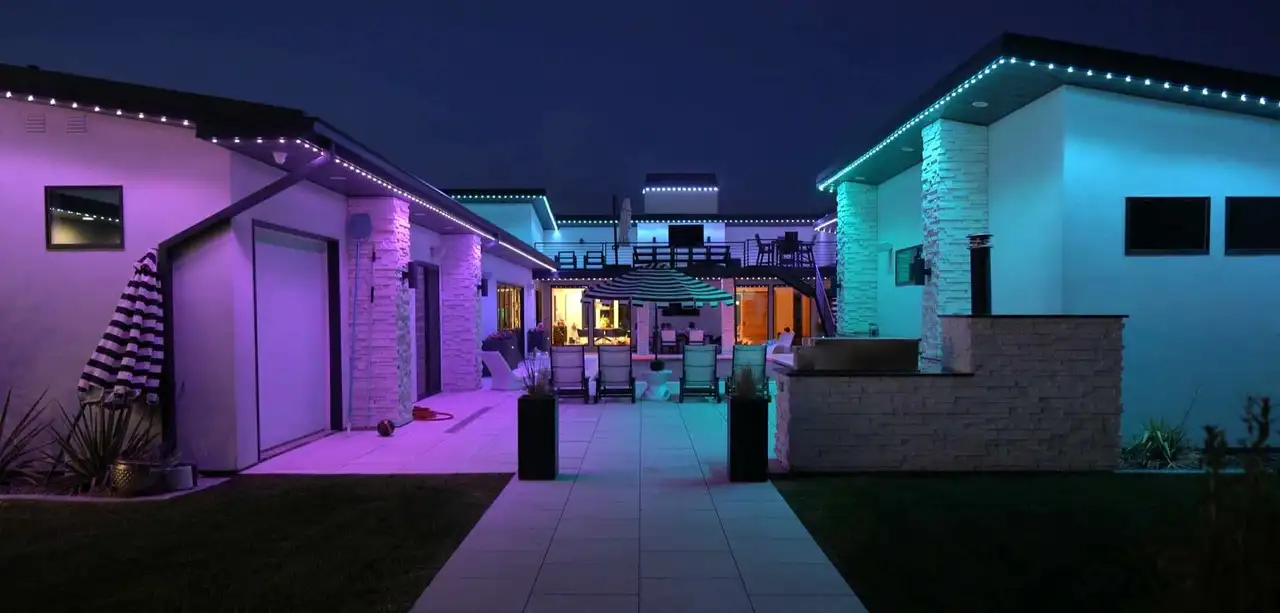
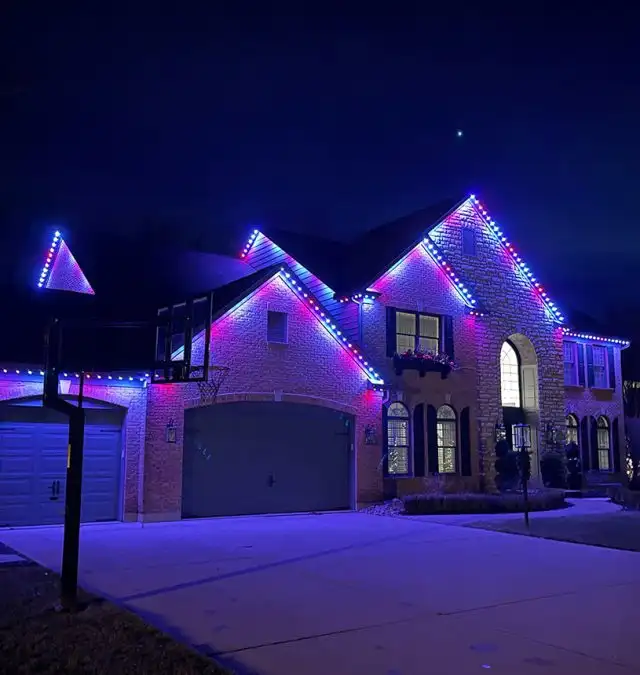
A permanent system is an installation on your home rather than a service performed each year. Track is mounted, runs are planned, controllers are placed, and the whole thing is commissioned and programmed. It is closer to a small construction project than to hanging lights.
That means it wants a proper site visit, a design, material lead time, and an installation day chosen for good weather rather than whatever day is left.
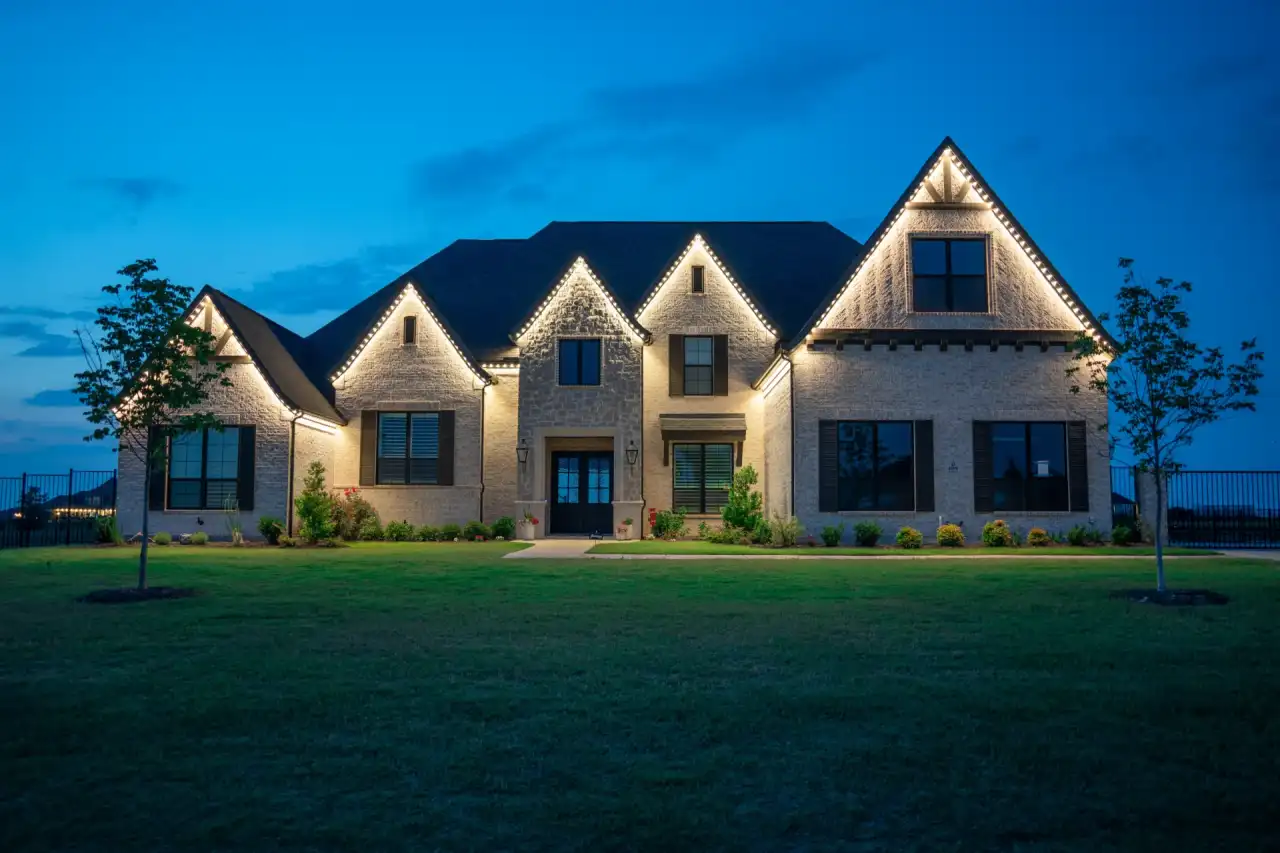
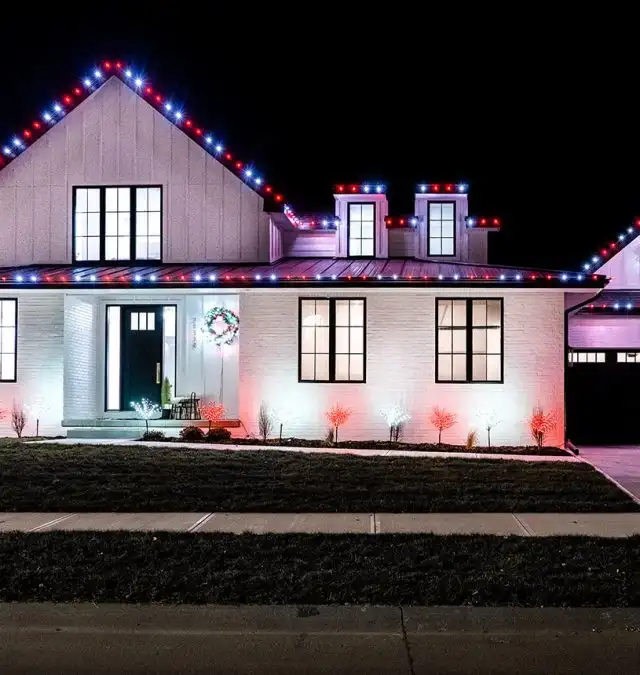
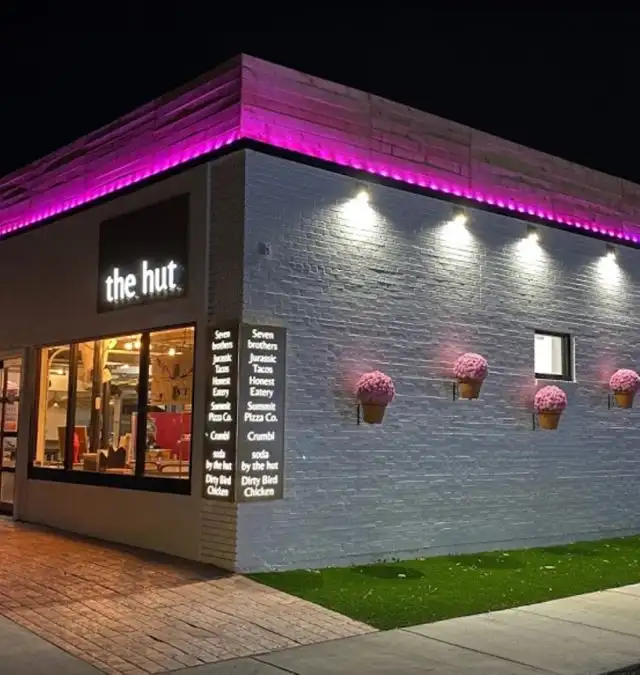
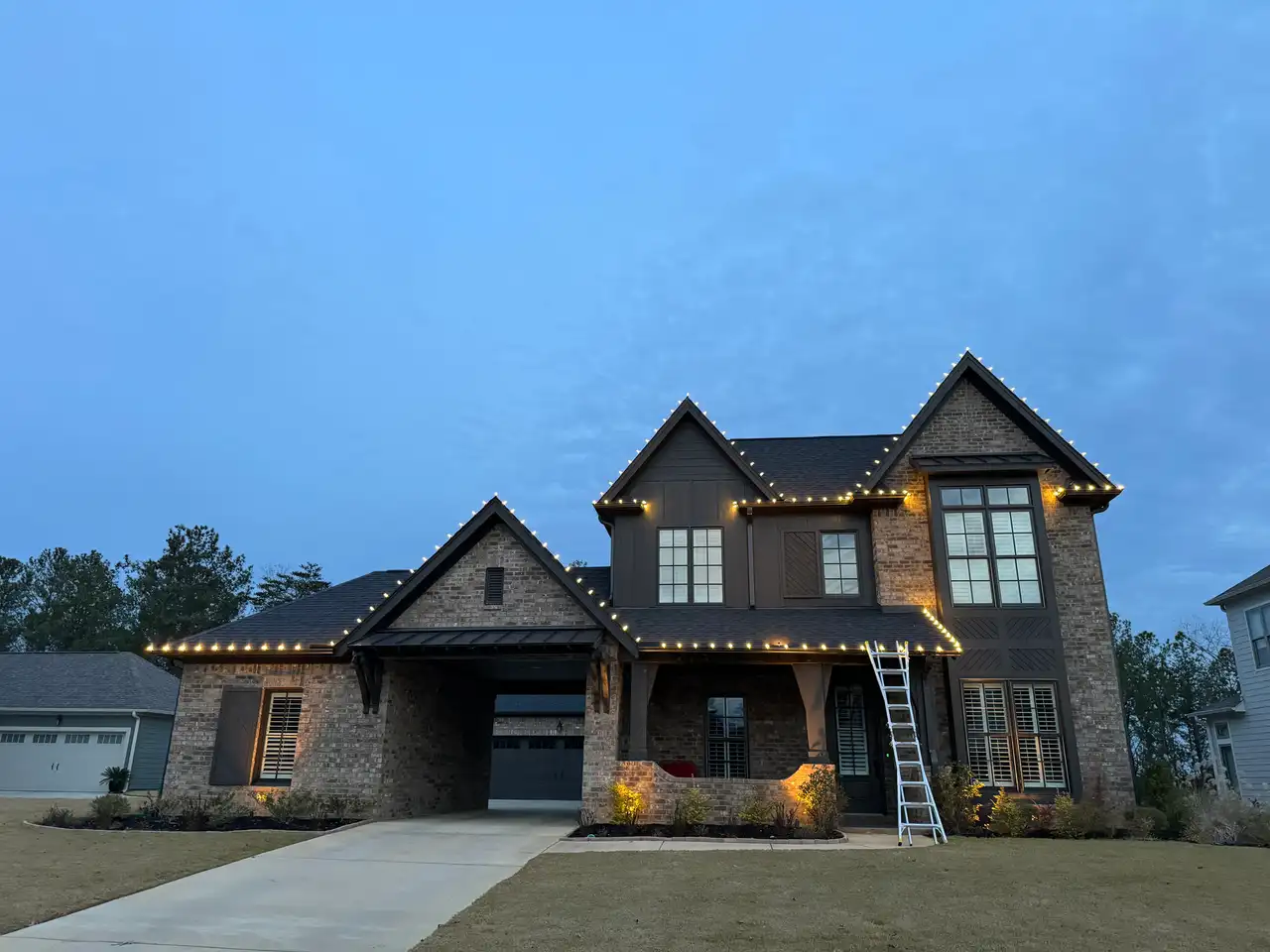
It also means the value shows up immediately rather than only at Christmas. A system installed in September gives you autumn colors, Halloween, and Thanksgiving before the holidays arrive, plus everyday warm white lighting on the evenings in between. Homeowners who install early consistently tell us they used it far more in the first two months than they expected to.
How Scheduling Actually Works
It is worth understanding what you are securing when you book.
Generally the process runs: a site visit and design conversation, a proposal with the specific scope, a deposit that secures your place on the calendar, materials ordered, and then an installation date assigned within a window.
Routes are built geographically, because moving crews and equipment across a metro area wastes daylight. Booking early usually means being scheduled sensibly rather than squeezed in as an outlier, which affects both your install date and how quickly anyone can return if something needs adjusting.
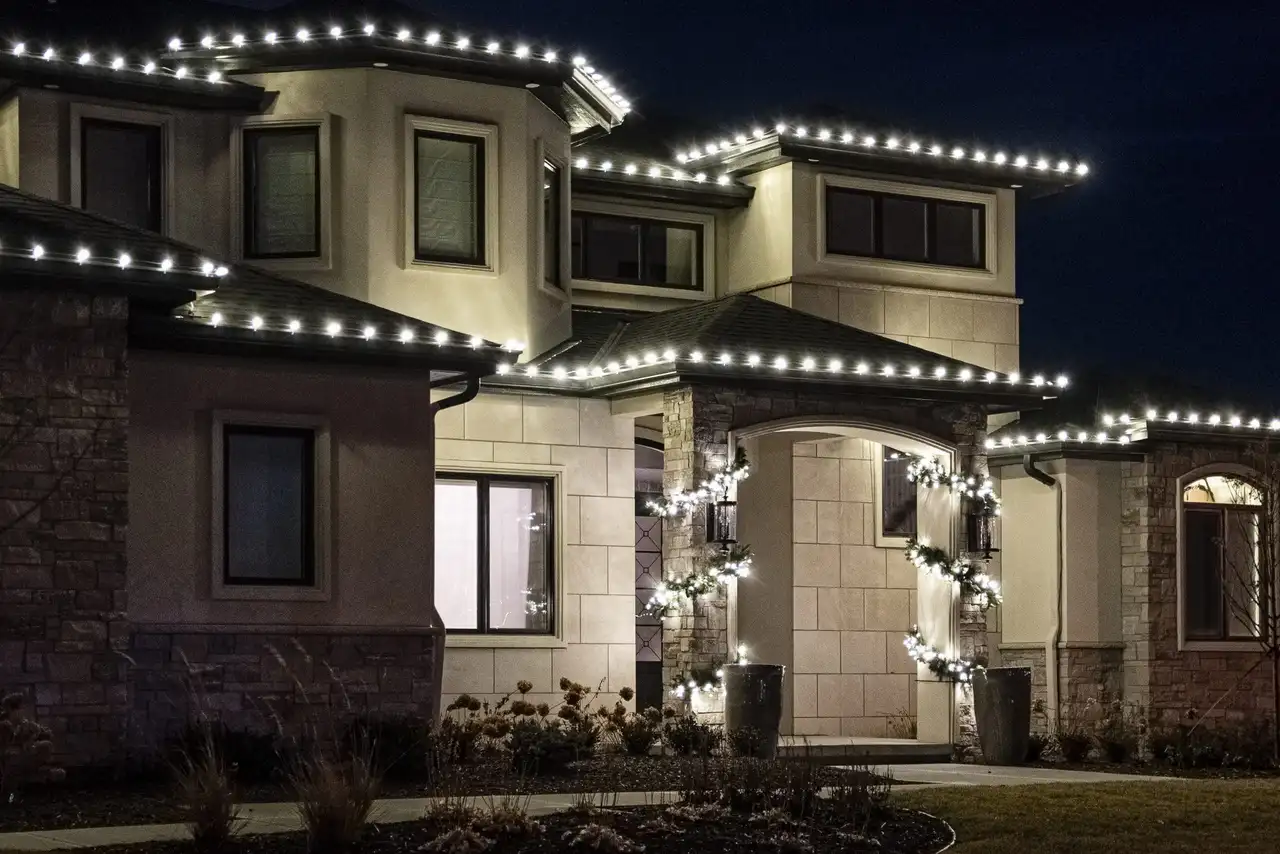
For seasonal installs, ask what the arrangement includes beyond installation. Maintenance during the season if a run fails, and takedown and storage afterward, are the parts people forget to confirm and then discover in January.
Weather Is the Variable Nobody Controls
This is the part of the schedule that catches people out, and it is worth understanding because it explains why installers protect their calendar so carefully.
Crews work at height. When there is rain, ice, or high wind, they come down, and that is not negotiable. A wet roof is genuinely dangerous, and no lighting installation is worth an accident.
In our northern markets, particularly around Cincinnati, November can deliver several unworkable days in a row. In the Tennessee and Alabama markets it is more often rain than ice, but the effect is the same: days disappear from an already short window.
What that means practically is that every installer builds some slack into the schedule, and that slack gets consumed as the season progresses. A booking made in September sits in a schedule that still has room to absorb lost days. A booking made in late November sits in one that does not, so a single bad week can push an installation past the date you wanted.
It is also why we give installation windows rather than fixed days for seasonal work, and why we would rather be honest about that up front than promise a date the weather may not allow.
Returning Customers and New Ones
A practical note about how the calendar allocates.
Most companies in this business, ourselves included, work with a substantial number of returning customers each year, and those homes are often confirmed early. That is not favoritism, it is simply that the design work is done and the materials are known.
What it means for a new customer is that the pool of available capacity is smaller than the total, and it is claimed earlier. If you are considering a first installation this year, that is the reason to have the conversation now rather than after you have seen a neighbor's lights go up.
What to Do This Month
You do not need to have decided anything to start. A useful September conversation begins with looking at the house.
Stand across the street in the evening and look at your home the way a visitor does. Which lines does your eye follow? Where does the roof create an interesting edge? Which architectural features disappear at night that you would like to see? Is there a tree or an entry that deserves attention?
Take a photograph from that vantage point. It is genuinely the most useful thing you can bring to a design conversation, more useful than a folder of images from elsewhere, because it shows your actual house from the angle that matters.
Then think about how you want to use it. Only at Christmas, or through the year for autumn, holidays, game days, and ordinary evenings? That single answer points toward seasonal or permanent more clearly than anything else.

What to Do Next
If you are fairly sure you want lighting this year, start the conversation now while dates and design time are both available.
If you are undecided between a seasonal install and a permanent system, a site visit is still worth doing, because seeing what each would look like on your specific house resolves the question faster than reading about it.
New Age Lights installs permanent and seasonal lighting across Knoxville and Oak Ridge, Chattanooga and McDonald, Birmingham, Huntsville, and the Cincinnati area including Deer Park. Call 256-530-0754 or visit newagelights.com to arrange a design consultation.
Here is what to expect. We will look at the house rather than quote from a template, tell you honestly which approach suits your architecture and how you intend to use it, and give you an installation window rather than a vague promise. If we are already full for the dates you want, we will say so plainly rather than letting you find out in December.