How to Compare Permanent Lighting Systems
New Age Lights • September 2026 • TN • AL • OH • 7 min read
Short Answer: Permanent lighting systems look similar in a brochure and differ in the places that determine how they age. The things genuinely worth comparing are how the track mounts and how visible it is in daylight, the quality and spacing of the diodes, whether the system is weather sealed for real conditions, how the app actually behaves day to day, what the warranty covers and for how long, and critically who services it locally. That last point matters more than most product specifications, because a system nobody nearby can repair is a problem waiting several years to arrive.
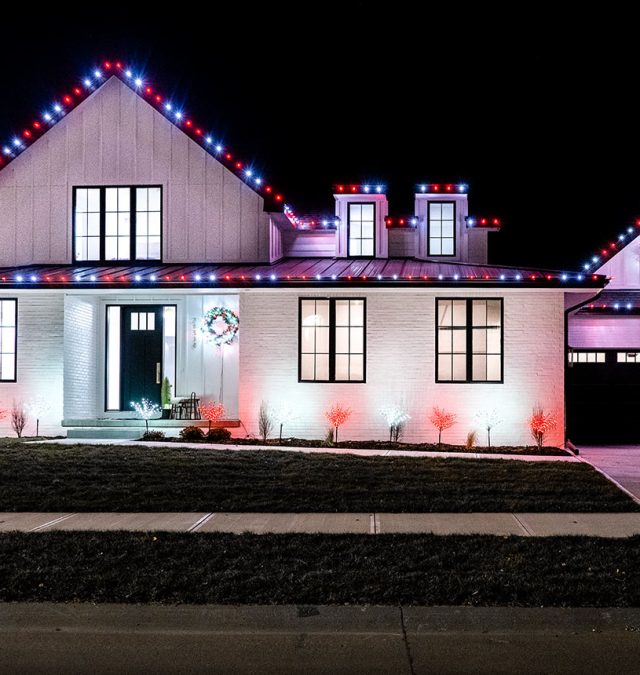
Homeowners researching permanent lighting usually arrive with a brand name they heard from a neighbor and a question about whether it is the right one. It is a reasonable place to start and not quite the right question.
We install more than one system, and the honest answer is that the differences between quality systems matter less than the differences between a good installation and a poor one. But there are real distinctions worth understanding, so here is what to actually compare.
The Track and How It Looks in Daylight
This is the first thing to evaluate, because you will see it every day for years and the lights themselves only at night.
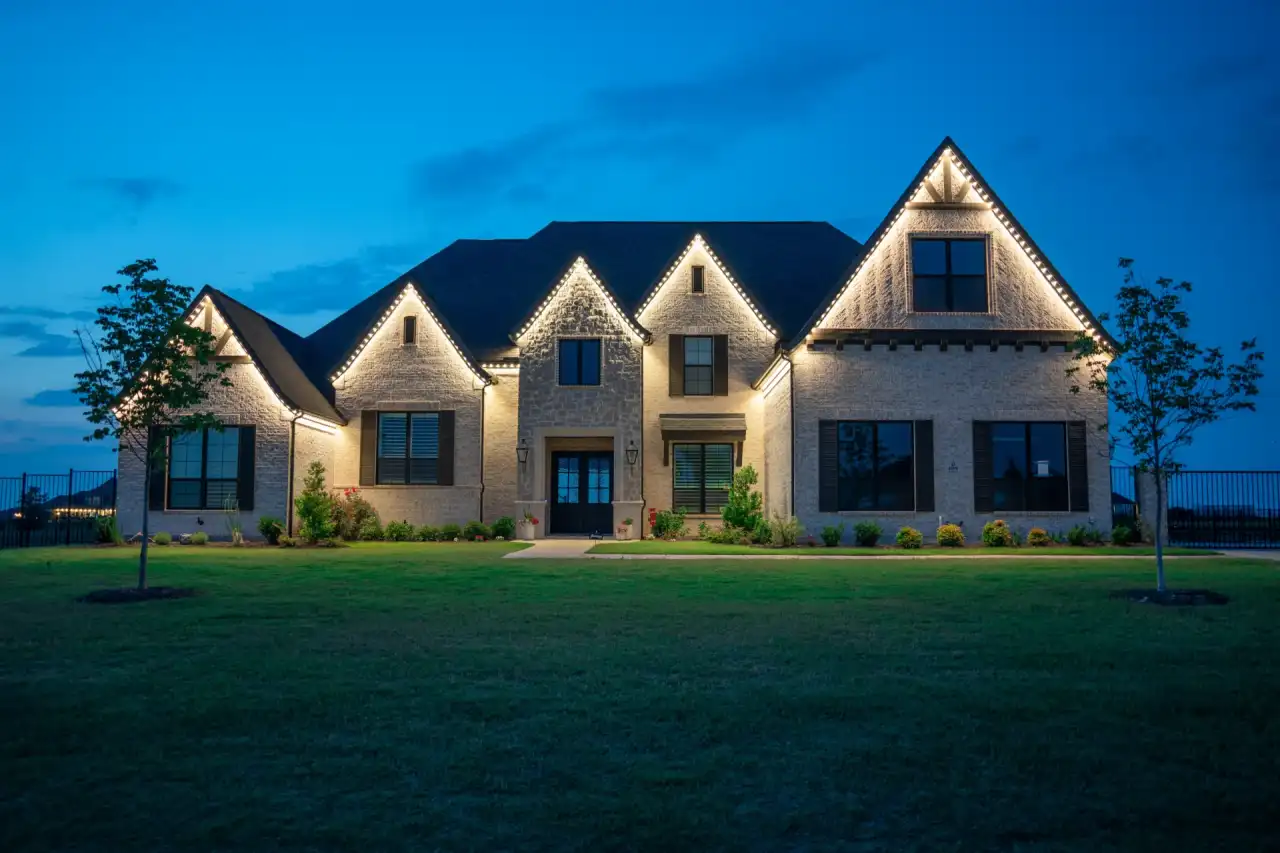
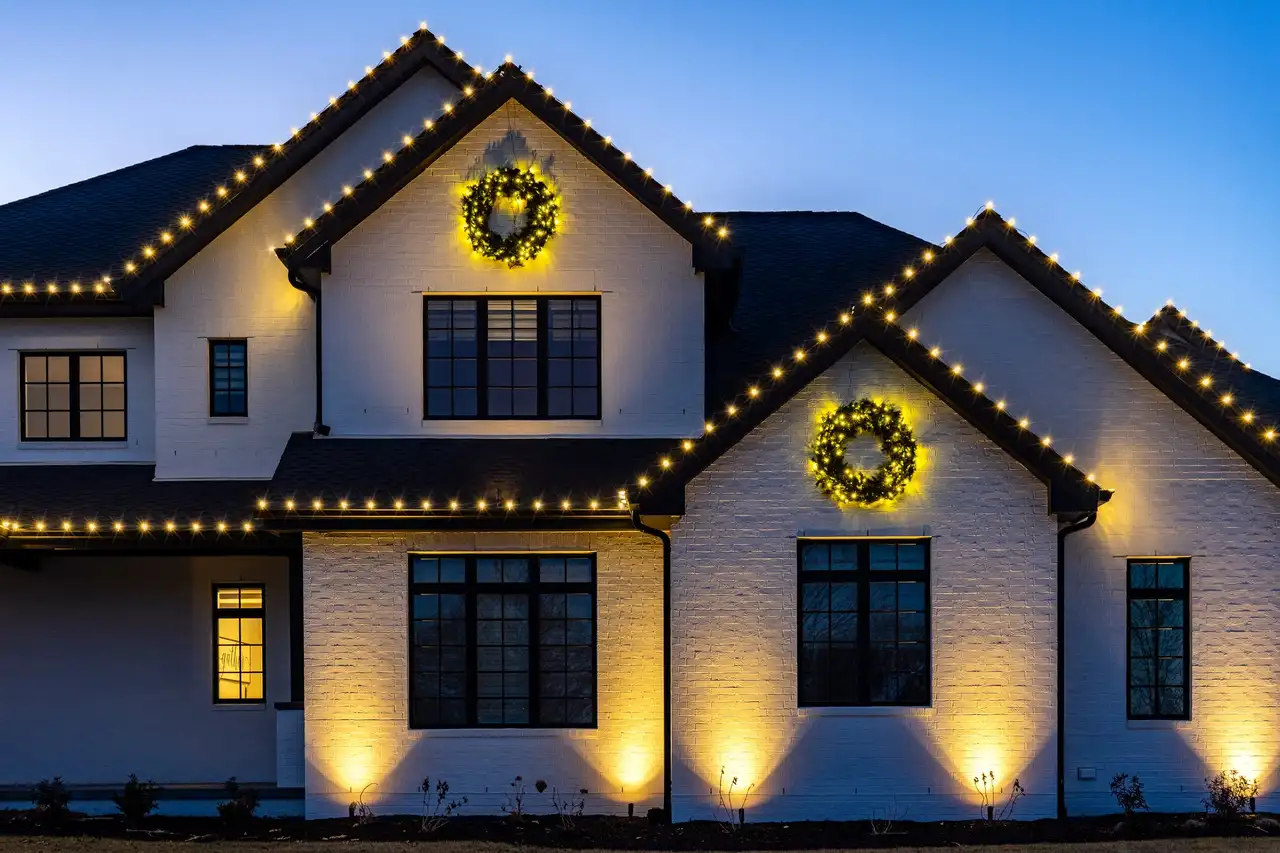
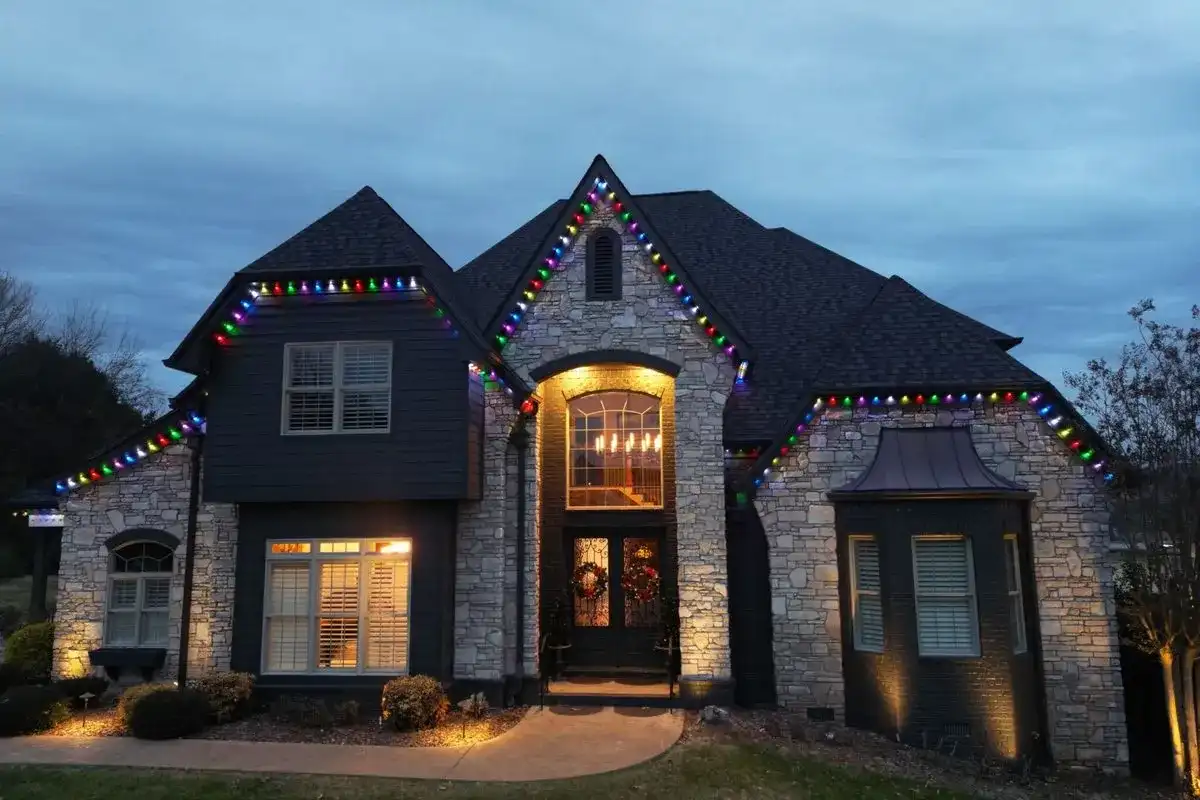
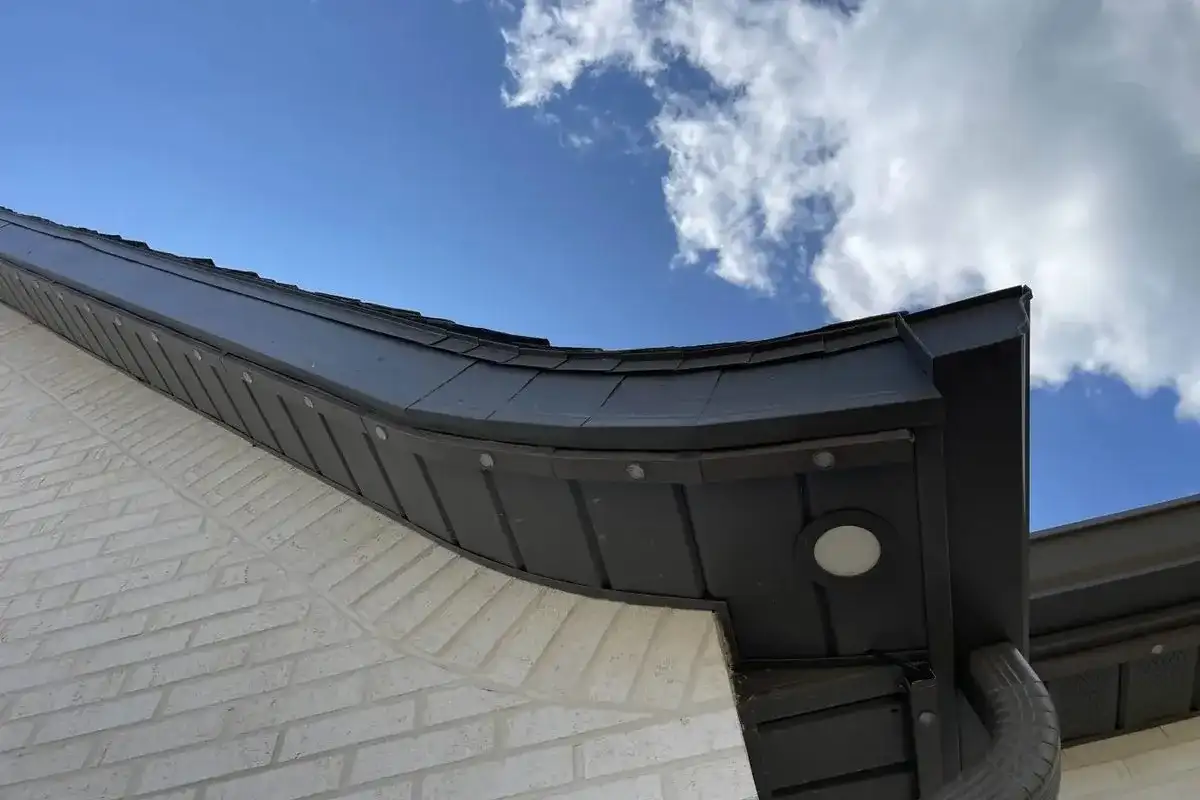
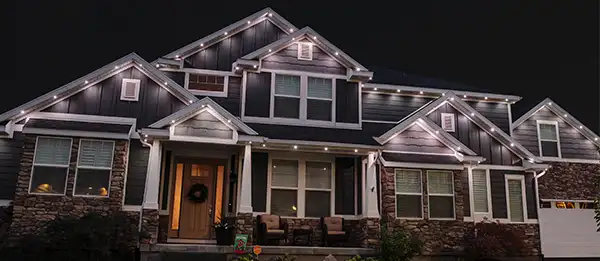
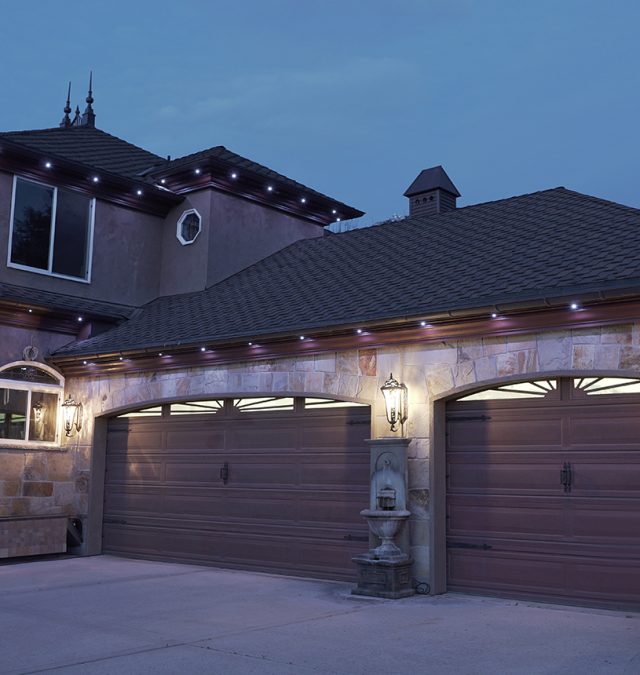
Permanent systems mount a channel or track along the roofline, and how that track is designed determines how visible it is in daylight. Look at profile depth, how the lights sit within the channel, and whether the track is available in colors that can be matched to your fascia or trim.
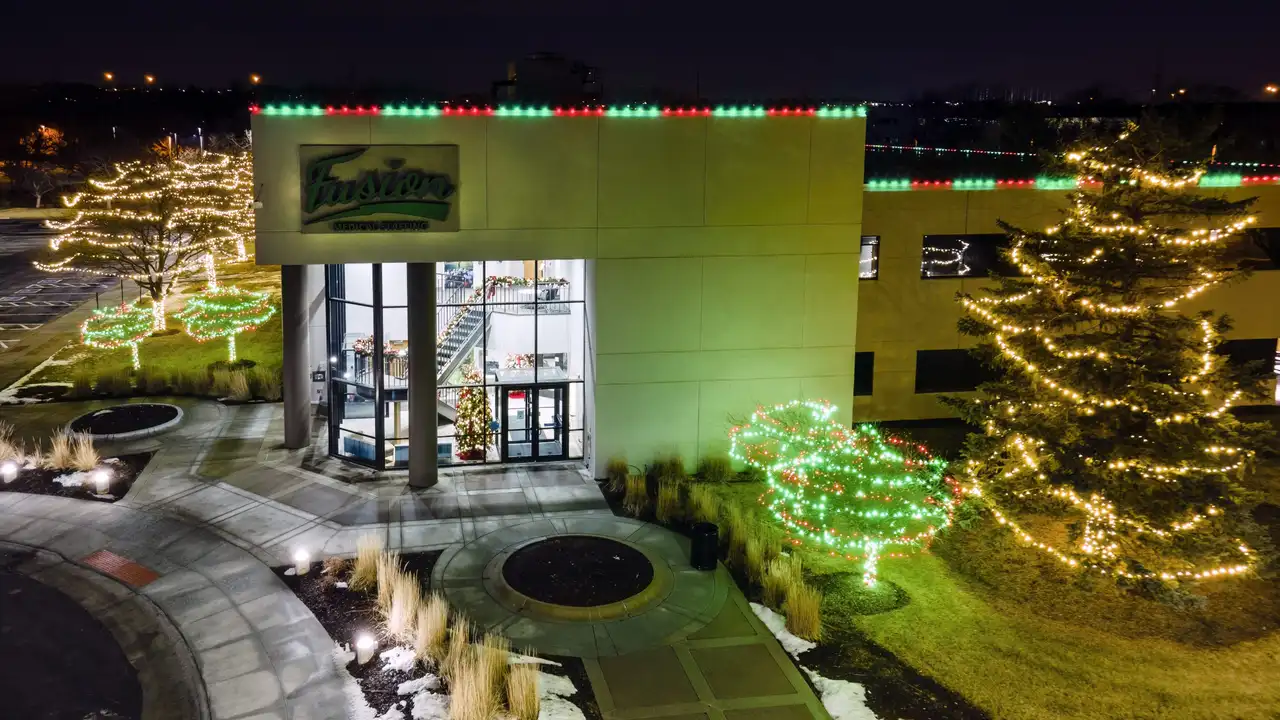
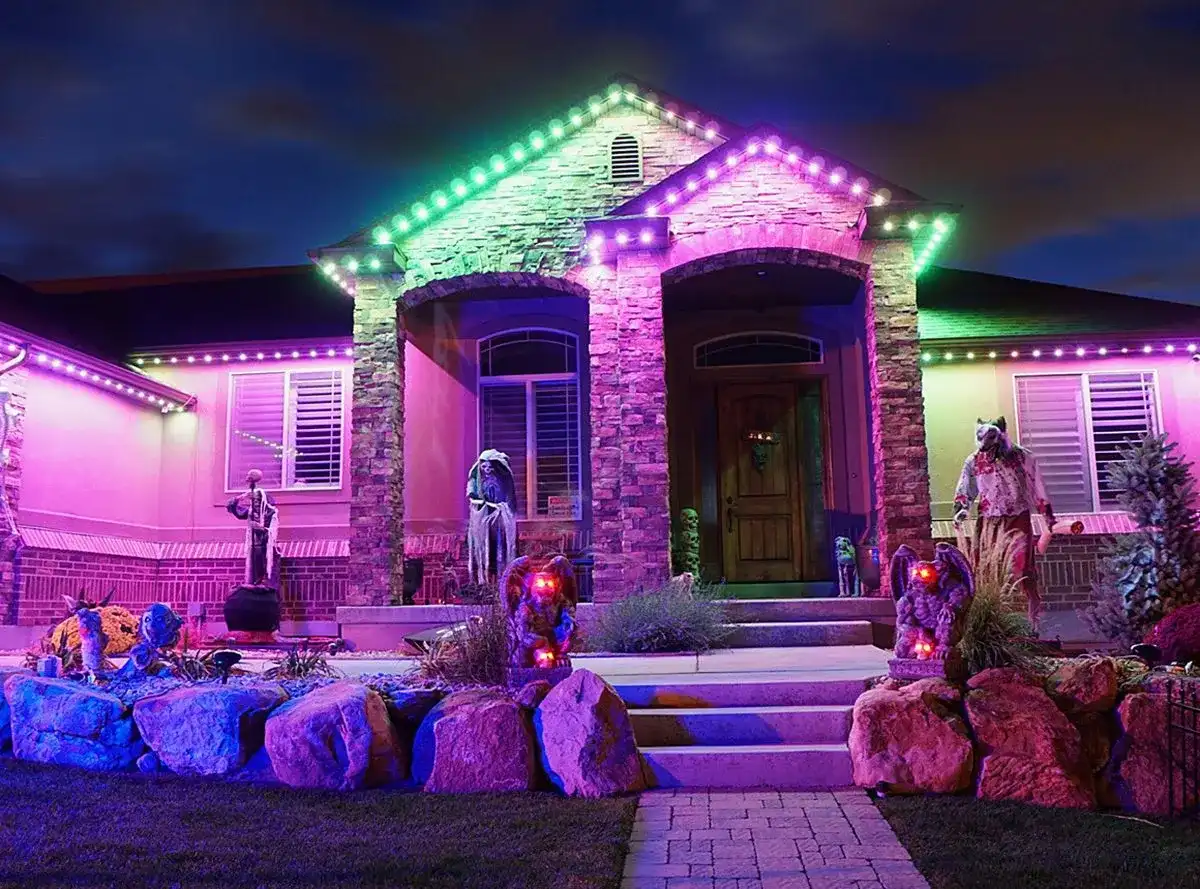
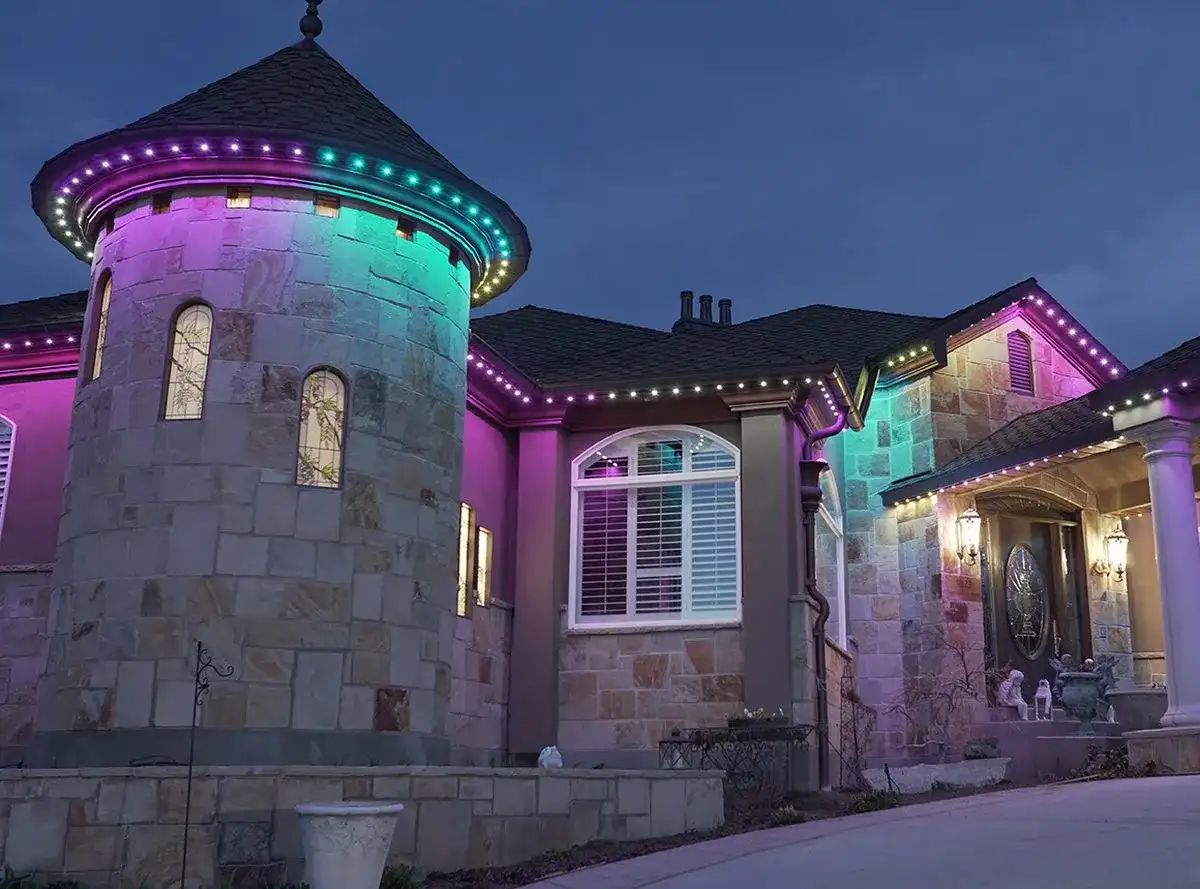
Ask to see an installed example in daylight rather than only night photographs. Every system looks impressive at night. Daylight appearance is where they separate, and it is what your house looks like for most hours of the year.
Mounting method matters as well. How the track attaches to fascia, and what that means for your roofing warranty, is a fair question to ask directly. Different roof types call for different approaches.
The Diodes Themselves
Not all LEDs are equivalent, and the differences show up over time rather than on day one.
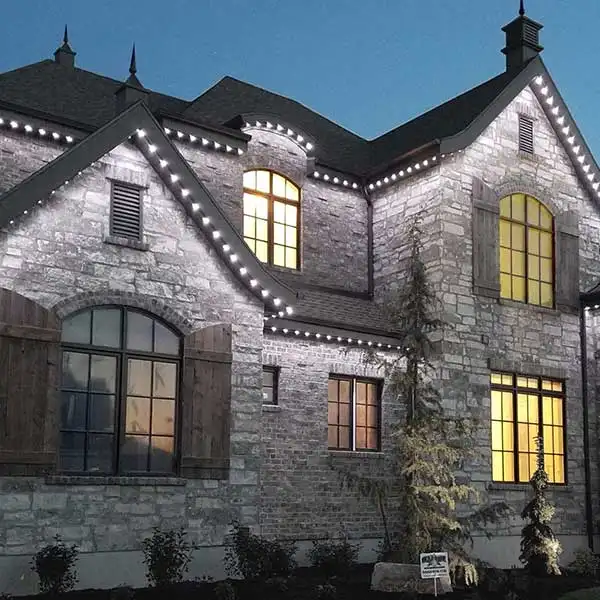
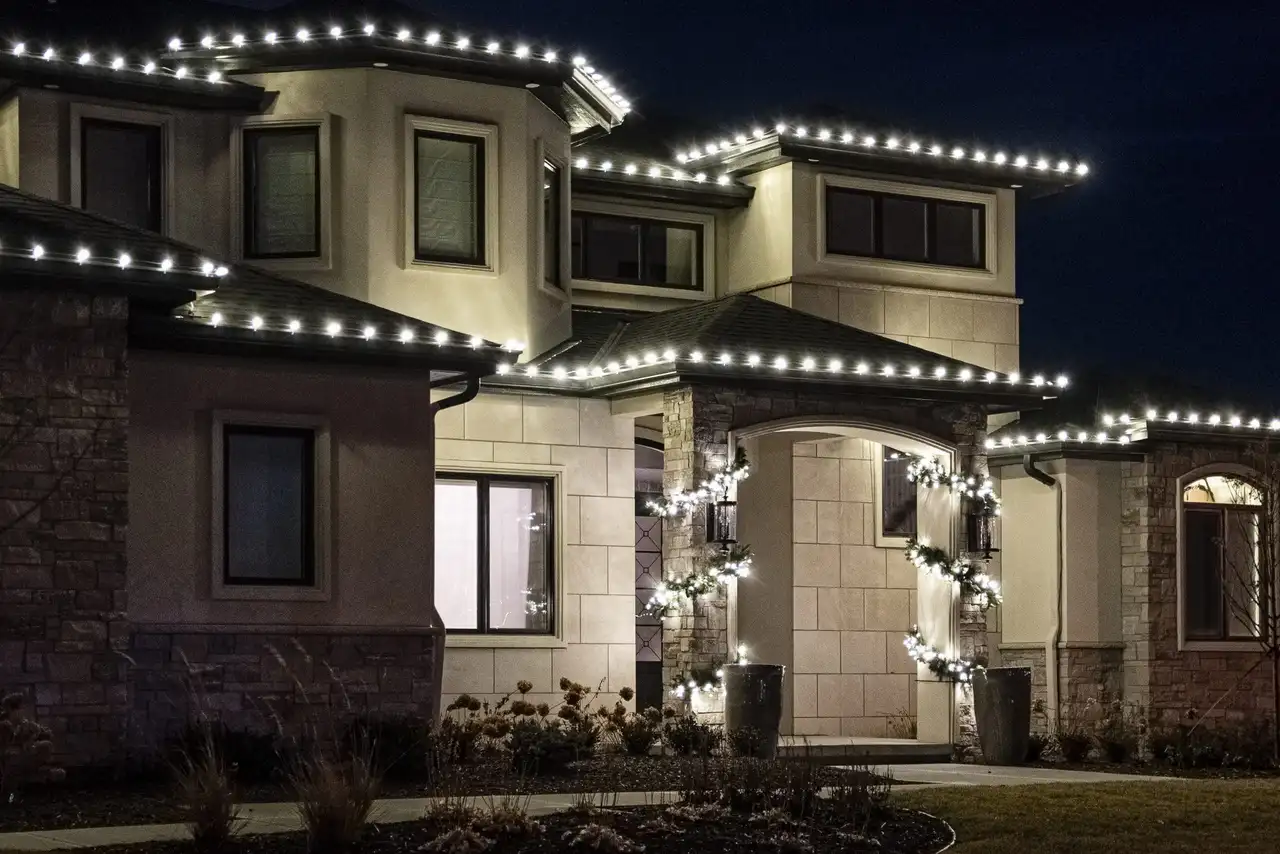
Spacing determines whether a run reads as a continuous line of light or as distinct points. Neither is wrong, and the right choice depends on your architecture and how far back the house is viewed from, but you should know which you are getting.
Color rendering matters more than people expect. Warm white on a cheap diode frequently looks slightly green or grey rather than genuinely warm, and since warm white is what most permanent systems run on ordinary evenings, that is the setting you will live with.
Ask about individual addressability, meaning whether each diode can be controlled separately, since that determines which effects are possible. And ask about lumen output, because a system that looks appropriate in a showroom can be underwhelming on a two story home viewed from the street.
Weather Sealing for Our Conditions
Our markets span Tennessee, Alabama, and Ohio, and between them these systems face summer humidity and heat, driving rain, freeze and thaw cycles, and in the Cincinnati market a genuine winter.
So ask about ingress protection ratings, how connections are sealed, and how the system handles thermal expansion across a long run, since materials move and connections that do not accommodate that movement eventually fail.
Ask what happens when one diode fails. In some systems a single failure affects a whole run; in others it does not. That difference is invisible at purchase and very visible in year four.
The App Is the Part You Use Daily
Everyone demonstrates the app, and the demonstration always goes well. What matters is how it behaves after the novelty passes.
Practical questions: does it work reliably on your home network, and what happens if the internet is down? Can you schedule scenes to run automatically, or must you open the app each evening? How straightforward is it to create a custom color, and can you save it? Can other members of the household control it, or is it tied to one phone?
Ask whether the app receives updates and whether there is any subscription. That last one is worth clarifying explicitly rather than discovering later.
Honestly, most households settle into a handful of scenes: warm white for most evenings, a couple of holiday settings, and team colors. An app that makes those effortless beats one with a hundred effects that are awkward to reach.
Warranty, and Who Actually Honors It
This is where we would concentrate your attention.
Separate the two things being warranted. The manufacturer warranty covers the components. The installer warranty covers the workmanship. They are different documents with different durations, and both matter.
Then ask the question that decides it: if something fails in three years, who comes out? A national brand warranty is worth considerably less if the nearest certified installer is several hours away, or if the installing company has since closed.
Ask whether labor is included in warranty service or only parts, since a covered component that requires an uncovered service call is only partly covered.
An established local installer with a track record in your market is worth more than a marginally better specification serviced from far away. These systems are mounted at roof height, and getting someone up there is the expensive part.
Installation Quality Outweighs the Spec Sheet
Having spent several sections on comparing systems, here is the thing we would most want you to take away: the installation matters more than the product.
The same system installed well and installed poorly produces genuinely different results. Track that follows the roofline cleanly versus track that wanders. Corners cut properly and mitered versus corners left rough. Wire runs concealed versus wire visible against the fascia. Controllers mounted somewhere sensible and weather protected versus mounted wherever was convenient.
Sealing is the part you cannot see and will feel in year three. Connections that were properly sealed against moisture survive our humidity and freeze cycles. Connections that were rushed do not, and the failure appears at the least convenient moment.
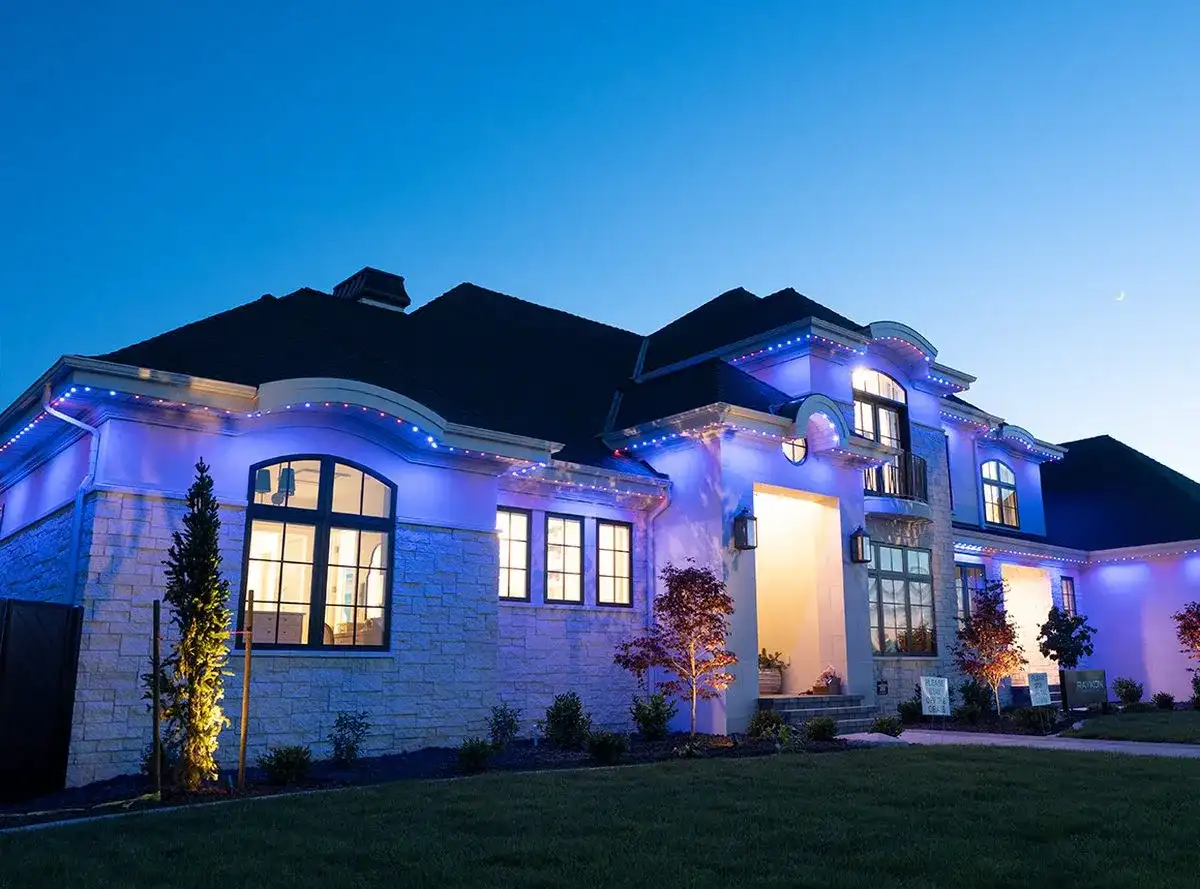
Design judgment is the other half of it. A quality system outlining every available edge on a house with complicated architecture will look worse than a modest system following two or three strong lines with intent.
So when comparing quotes, weight the evidence of how the installer works at least as heavily as the specification of what they are installing. Look at their finished work up close rather than in a wide marketing photograph, and pay attention to the corners and the terminations.
What Matters Less Than You Think
A few things get emphasized in marketing that rarely change the outcome.
Effect count is one. A system offering hundreds of animated patterns sounds impressive and most people use four or five settings regularly. Judge the quality of the everyday warm white before the variety of the animations.
Brand name alone is another. Several quality systems exist, and the installation and the local support determine your experience more than the label on the box.
And price alone cuts both ways. The cheapest quote generally means shorter warranty, lower grade components, or less careful installation. The most expensive is not automatically the best either. Compare what is actually specified.
Total diode count is a fourth. A higher number sounds like more capability, and what actually determines the look is spacing relative to the length of the run and the height of the house. A denser run on a small single story can look overdone, while the same density on a large two story reads as elegant. The right figure is the one suited to your elevation, not the largest one available.
Finally, be cautious with any claim about lifespan expressed in hours. LED hour ratings are laboratory figures under controlled conditions, and what determines real service life on a roofline in Tennessee humidity or an Ohio winter is the sealing, the connections, and the installation quality far more than the diode rating.
What to Do Next
Ask any installer you speak with for an address where you can see their work, and go look at it twice: once after dark and once in daylight. Fifteen minutes doing that tells you more than an hour of reading.
Get the warranty terms in writing, both manufacturer and workmanship, before you commit.
If you would like us to walk you through the options on your specific house, New Age Lights installs permanent and seasonal lighting across Knoxville and Oak Ridge, Chattanooga and McDonald, Birmingham, Huntsville, and the Cincinnati area. Call 256-530-0754 or visit newagelights.com.
Here is what to expect. We install more than one system, so the conversation starts with your architecture and how you intend to use it rather than with a product we are committed to selling. We will show you daylight photographs as well as night ones, and we will be straightforward about what each option does well and where it compromises.