

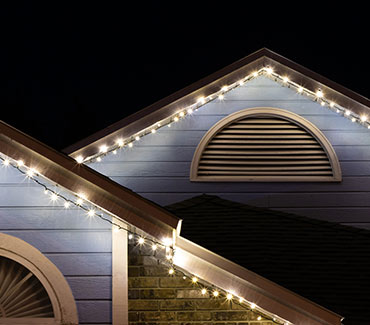
Short Answer: Permanent outdoor lighting installs differently depending on your roof material, and the differences affect aesthetics, installation cost, ongoing maintenance, and warranty. Asphalt composite shingles are the easiest and most common installation surface. Cedar shake roofs require specific fastening methods to avoid voiding the roof warranty. Tile roofs need careful planning to attach track without cracking tiles. Metal roofs are the most variable, with standing seam, corrugated, and standing rib all requiring different approaches. Discuss your specific roof material thoroughly before signing an installation contract.
If you are considering permanent outdoor lighting for your home and you have anything other than standard asphalt shingles, this post is for you. Roof material affects everything about the installation from the brackets used to the placement of the track to whether your roof warranty stays intact. Many installers gloss over these details. We want to walk through them honestly.
Asphalt Composite Shingles: The Standard Case
Most residential homes in our service area have asphalt composite shingles. This is the easiest and most common roof type for permanent lighting installation.
How it works: track typically mounts to the fascia board behind the gutter using standard exterior screws. The track is hidden from view at ground level. Light points are visible only when on. No interaction with the actual roof surface, so roof warranty is not affected.
Considerations: confirm the fascia is sound. Rotted or damaged fascia must be repaired before installation. Confirm gutter clearance for the track. Some older gutter installations are tight enough that the track sits awkwardly.
Cedar Shake Roofs: Warranty Sensitivity
Cedar shake and cedar shingle roofs require more careful installation. Cedar is a natural material with specific manufacturer warranty requirements.
How it works: ideally, mounting is to the fascia board (same as composite). The roof surface itself should not be penetrated. Some installations need different track shapes to work with the irregular cedar surface edge.
Warranty considerations: many cedar roof manufacturer warranties have specific language about exterior attachments. Installations that penetrate the roof surface or interact with the cedar shakes themselves may void portions of the warranty. Get written confirmation from the lighting installer that the installation will not affect the roof warranty.
Aesthetic considerations: cedar roofs have a more rustic visual character. Some homeowners prefer the lights be more visible and traditional in appearance to match the architecture. Others prefer maximum concealment. Discuss this during the design phase.
Tile Roofs: Plan Carefully
Concrete tile, clay tile, and slate roofs are common on certain architectural styles in our region. Installation on tile roofs is more involved than composite.
How it works: track should generally not be fastened directly to tiles. The tiles can crack under stress, and replacement tiles to match an existing roof can be difficult or impossible to source. Most installations use specialized brackets that attach to the underlying roof deck through gaps between tiles or that wrap around fascia.
Warranty considerations: tile roof warranties typically have strict requirements about penetrations and attachments. Discuss with both the lighting installer and the roof manufacturer if you are uncertain.
Cost implications: tile roof installations typically cost 15 to 30 percent more than composite installations due to the additional complexity and specialized brackets.
Metal Roofs: Highly Variable
Metal roofs come in several different styles and the installation approach varies for each.
Standing seam metal: the most common modern metal roof style. Installation typically uses specialized clamps that grip the standing seams without penetrating the metal. Excellent for warranty preservation.
Corrugated metal: more rustic appearance, common on barns and barndominiums. Installation uses brackets that match the corrugation pattern. Some installations require fastening through the metal, which needs proper waterproofing.
Standing rib (also called “Western Rib” or “5V crimp”): another common residential metal roof style. Different bracket systems than standing seam.
Stamped metal shingle: less common but present in some homes. Installation similar to composite shingle approaches.
Get specifics from your installer about exactly how they will attach to your specific metal roof type. Generic “we can install on metal” answers are not specific enough to evaluate the work.
Flat and Low-Slope Roofs
Flat roofs and very low slope roofs (less than 4:12 pitch) require different approaches. Most permanent lighting is designed for steeper sloped roofs with prominent rooflines. Flat roofs may have parapet walls or roof edges that work, or may require alternative mounting strategies like ground-up illumination or building-side track.
Some flat roofs are simply not good candidates for permanent lighting in the traditional sense. Discuss expectations with the installer before signing a contract.
Questions to Ask Before Signing
For homeowners with non-standard roof materials, several questions to discuss thoroughly.
How exactly will the track be attached? Specifically, what brackets, what fasteners, into what surface?
Will the installation affect my roof warranty? Get this in writing. Reasonable installers will document this.
What happens if my roof needs replacement during the lighting system’s lifetime? Most lighting systems last 15 to 25 years. Many roofs need replacement within that window. How will the lighting be handled during roof replacement?
What is the warranty on the installation work? Beyond the manufacturer warranty on the lighting components, what does the installer warranty for their workmanship?
What if a component fails near my roof surface and requires troubleshooting? How do they access it without damaging the roof?
Aesthetic Considerations by Roof Material
Beyond the technical installation, the visual impact of the lighting varies with roof material.
Composite shingles: lights typically read as a clean line along the roofline. Standard appearance most homeowners expect.
Cedar shake: lights can either harmonize with the rustic feel or contrast strongly. Some homeowners deliberately choose more visible warm-tone lighting to complement cedar. Others want maximum concealment.
Tile: tile roofs often have visible track regardless of installation approach because the tile profile prevents tight gutter line concealment. Accept some visibility as part of the tradeoff.
Metal: standing seam and modern metal roofs can produce very clean installations because the track follows the roof line elegantly. Older corrugated metal is more visually disruptive when track is added.
Working With a Roofer Plus a Lighting Installer
For homeowners with valuable or complex roofs (slate, tile, premium cedar, architectural metal), having both a roofer and a lighting installer involved in the design discussion is worth the coordination effort.
The roofer can confirm what attachment methods are compatible with their warranty. The lighting installer can adapt the design to what the roofer recommends. The result is an installation that works without compromising the roof.
This level of coordination adds modest cost (a few hundred dollars for the roofer’s consultation time) but protects much larger investments in the roof itself.
Working With Your HOA
For homeowners with HOA covenants, permanent outdoor lighting sometimes requires approval before installation. Most HOAs that allow Christmas lights have no objection to permanent lighting if it can be turned off, but documenting this upfront prevents disputes after installation. Approach the HOA with the design, explain the off-state visibility (which is minimal on quality installations), and get written approval if your covenants require it. Most HOAs ultimately approve these systems but the process can add time to the project timeline. Build that into your scheduling.
Frequently Asked Questions
What if my installer says they can install on any roof?
Reasonable answer in general, but probe further. Ask specifically how they handle your roof type. Vague answers suggest they may not have experience with your specific material.
Do specialty roof installations cost more?
Yes, typically 15 to 40 percent more depending on complexity. The premium reflects additional labor, specialty hardware, and the experience required.
Can I install on a roof that needs replacement soon?
Better to wait for the new roof if replacement is within 5 years. Otherwise you will be paying to remove and reinstall the lighting during roof replacement.
What if my roof has multiple materials?
Common on additions and home modifications. The installer needs to address each material separately. Confirm they have a plan for each.
Choosing a Qualified Installer
Beyond the technical questions about your specific roof, evaluating the installer matters. Several criteria differentiate experienced installers from those just adding permanent lighting to their service menu. Years of permanent lighting installation experience specifically. Portfolio of installations on similar roof materials. Insurance and bonding appropriate to the work. Willingness to discuss roof warranty implications openly. References from customers with similar roof materials. The cheapest installer is rarely the best value for non-standard roof materials. The right installer protects both the lighting and the roof investment.
What to Do Next
If you have a non-standard roof material and are considering permanent outdoor lighting, schedule a detailed consultation with us. We will inspect your specific roof, discuss the right installation approach, and protect your roof warranty in the process.
Call us at 256-530-0754 or visit newagelights.com. We serve homes across Tennessee, Alabama, and Ohio.